


Individual Support & Access to Intimacy
The ability to have conscious conversations and explore sensuality regarding intimacy, healthy relationships, consent and boundaries is a fundamental part of being human - and this includes people with disabilities.
Intimacy may include emotional intimacy, physical closeness, sensual awareness, relational connection, and sexual self-understanding. For many people with disabilities, these needs can be particularly significant and closely linked to self-esteem, identity, quality of life, wellbeing, social inclusion, and sexual health.
Intimacy and sexual exclusion often arise not from lack of desire or capacity, but from barriers such as physical, cognitive, psychosocial, or mental health conditions that make access to relationships and embodied learning difficult without appropriate support.
At Pleasure Heals, we provide trauma-informed, consent-based 1:1 support that honours autonomy, pacing, and choice
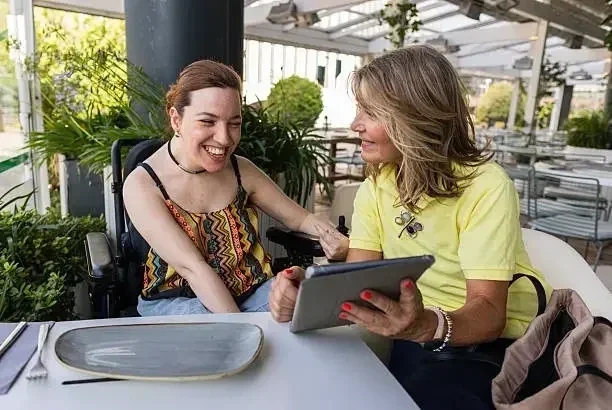
1:1 Sessions Support Clients To:
Develop body awareness and nervous system regulation
Explore consent, boundaries, and communication in a clear and embodied way
Understand their bodies, sensations, and emotional responses
Build confidence regarding intimacy, dating, and relationships
Address shame, fear, or confusion regarding sexuality and desire
Strengthen connection to self and others

Embodied Touch & Somatic Intimacy Practices
Where appropriate, and only with clear, informed, ongoing consent, 1:1 sessions may include practitioner‑led touch and intimacy practices to support learning outcomes. These practices are offered as structured, intentional experiences designed to support embodied learning, regulation, and relational understanding.
Key principles include:
Practitioner‑led touch and/or somatic practices, directly linked to an agreed learning outcome
Explicit consent and choice at every stage, including the option to pause or stop at any time
Clear scope and boundaries, discussed prior to any touch
Trauma‑informed pacing, with attention to nervous system responses
Adaptation to individual access needs, capacity, and communication styles
These practices are always client (carer)-led and co-created to support a learning outcome. Each somatic practice is supported by an educational contract that explicitly describes client boundaries (e.g. no touch, touch) for the practice. Somatic practices are offered within a professional, ethical framework that prioritises safety, dignity, and client autonomy; and are aligned with NDIS principles where applicable.
NDIS-Aligned Practice & Credentials
Roxanne is an experienced support worker and holds all relevant NDIS clearances, including:
NDIS Worker Screening Check
National Police Check
Working With Children Check (where applicable)
First Aid & CPR
Certified Somatic Sexologist
This allows Pleasure Heals to work ethically within disability support frameworks while maintaining strong safeguarding, consent, and professional integrity.
Ty also has experience working with people with disability.

“It’s time to make accessibility sexy”